
The short answer
Solo travel over 50 works exactly like solo travel at any age, with three upgrades and two additions. The upgrades you bring for free: money, self-knowledge, and immunity to peer pressure. The additions worth making: a slightly more structured first week (a small-group tour, a river cruise, or a well-planned city base), and a health-and-documents kit that turns worst cases into inconveniences. Company, when you want it, is one concrete post away in a Trespot city chat — pace-first, age-irrelevant.
The quiet boom nobody marketed to
While the travel industry photographed twenty-somethings on cliff edges, its actual growth market got quietly older: over-50s are the fastest-expanding slice of a solo travel wave that peaked at roughly 1.6 million worldwide searches in January 2026 (Explore Worldwide trends report). The drivers are life-stage, not trend: empty nests, retirements — early and otherwise — divorces that reset the passport, and a generation that backpacked in the ’80s and ’90s and never actually stopped wanting to go.
The infrastructure caught up fast: solo cabins on river cruises, tour operators’ 45–59 and over-50 collections, roommate matching as standard, and matching apps where pace matters more than birth year. If you’ve been waiting for the industry to want you — it does now, badly.
What actually changes after 50 (a working list)
- Pace becomes design, not compromise. One anchor a day, real lunches, afternoon resets — and here’s the secret: this is how experienced travelers of every age plan. You’re not slowing down; you’re skipping the decade of learning that rushing ruins trips.
- Comfort compounds. The room you sleep well in, the direct flight, the seat with legroom — over-50 budgets buy fewer regrets per dollar than any other demographic’s.
- Confidence is the asset. Fifty years of reading rooms, handling problems, and talking to strangers is precisely the skill set solo travel runs on. First-timers at 55 routinely out-travel veterans at 25.
- Recovery time is real. Jet lag costs a day now; build it in. The itinerary with slack is the itinerary you finish smiling.
- The phone is your co-pilot, on your terms. Offline maps, translation, ride apps, and a city chat — learn five apps well before departure and the tech anxiety dissolves. (Our first-time flyer tips and stress-free travel guides pair well here.)
First-trip destinations that earn it

- Portugal — the consensus first-solo-trip country: safe, warm, affordable for Western Europe, walkable (with hills — pack accordingly), and thick with solo travelers over 40.
- Ireland — Dublin was ranked the world’s top solo travel city for 2026, and the whole island runs on talking to strangers. If loneliness is the fear, Ireland is the cure.
- Japan — the great equalizer: everyone’s a beginner, solo dining is a design feature, and the trains forgive every mistake. See our Japan guide.
- Costa Rica — soft adventure perfected, with tourism infrastructure built for gringos of every age and a “pura vida” pace that matches yours.
- New Zealand — the safest-feeling long-haul on Earth; small-group tours here skew 45+ naturally.
- Rail and river routes — Switzerland’s trains, the Danube, Portugal’s Douro: scenery without daily repacking, and communal tables built into the format.
The pattern: forgiving logistics, strong safety reputations, and cultures where a solo diner over 50 is a customer, not a curiosity. For more, see the best places to solo travel and the safest travel destinations.
Company on demand: the over-50 social toolkit
Solo doesn’t mean alone unless you want it to. The toolkit, in ascending order of commitment:
- The daily structured hour: a walking tour, market tour, or museum tour every morning — conversation with zero effort, exit whenever you like.
- Shared tables: food tours, cooking classes, counter seats, communal guesthouse breakfasts. The over-50 superpower is being genuinely interesting at dinner — deploy it.
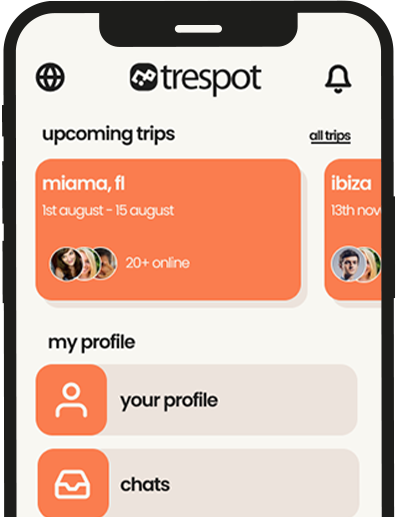
- The city chat: post one concrete plan on Trespot — “Ali nda museum then long lunch Thursday, company welcome” — and let pace-first matching do the rest. Verified travelers, declared intent, no nightclub required.
- The structured first half: open the trip with a 4–6 day small-group tour or cruise segment (instant crew, zero logistics), then go independent with the confidence banked. Details in singles trips over 40 and travel groups for solo travelers.
- A matched companion for part of it: when you’d rather share a leg than a whole trip, the companion playbook and vetting checklist apply at any age.
The health-and-money checklist (boring on purpose)
- Insurance you’ve actually read: medical coverage including evacuation, pre-existing conditions declared, the policy PDF saved offline. This is the single highest-value hour of trip prep after 50.
- Medications, redundantly: original packaging, split across two bags, prescription copies, generic names written down (brand names change at borders).
- The health card: conditions, allergies, blood type, emergency contact — in English and the local language, in your wallet.
- Documents in triplicate: passport photocopies (one in luggage, one with someone home, one in cloud storage), and embassy contact saved.
- The daily check-in: one message home at a set time. Thirty seconds; converts every worst-case scenario from “missing for days” to “missed one check-in.”
- Supplement strategy decided upfront: roommate matching, solo-priced departures, or budgeting the private room as infrastructure — the math is in singles vacations.
Quick takeaways
- Over-50s are the solo boom’s fastest-growing segment — the infrastructure finally wants you.
- Your advantages are structural: budget, self-knowledge, people skills. Pace-as-design isn’t slowing down; it’s skipping the learning curve.
- First trips: Portugal, Ireland, Japan, Costa Rica, New Zealand, or a rail/river route. Forgiving logistics beat bucket-list bravado.
- Company on demand: structured mornings, shared tables, pace-first city-chat posts, and the tour-first-then-independent trip design.
- The boring checklist — insurance read, meds split, health card, document copies, daily check-in — is what makes the brave part easy.
Question & Answer
FAQs - Solo Travel Over 50
1. Is 50 or 60 too old to start solo traveling?
No — over-50s are the fastest-growing segment of the solo travel boom, and many people take their first solo trip after a divorce, retirement, or an empty nest. You bring advantages younger travelers lack: budget, self-knowledge, and zero interest in impressing anyone. Start with a forgiving destination and a structured first week.
2. What are the best destinations for solo travel over 50?
For first trips: Portugal, Ireland, Japan, Costa Rica, and New Zealand — safe, easy logistics, English-friendly or effortlessly navigable, and full of solo travelers your age. Dublin was ranked the top solo travel city for 2026. River cruises and rail-based routes suit travelers who want scenery without daily repacking.
3. How do solo travelers over 50 meet people?
Structure over nightlife: small-group day tours, food experiences, walking tours, and traveler apps where you post concrete plans. On Trespot, a pace-first profile (“museums, long lunches, no 6 a.m. buses”) plus a specific invitation in the city chat finds compatible company at any age.
4. Is solo travel over 50 safe?
With normal precautions, yes — over-50 solo travelers are statistically cautious and well-prepared. The additions that matter at this stage: travel insurance with medical coverage you’ve actually read, medications in original packaging split across bags, a card of conditions/allergies in the local language, and a daily check-in with someone at home.
5. Should I take a tour or travel independently over 50?
Do both in one trip: a structured first half (small-group tour or river cruise) that hands you instant company and logistics, then an independent city stay where you apply the confidence. Many over-50 travelers use tours as training wheels for one trip and never need them again — others love them forever. Both are wins.
6. How much does solo travel over 50 cost?
The single supplement is the main tax — 25–50% on tours and cruises — avoidable via roommate matching, solo-priced departures, or independent travel where rooms price per person anyway. Over-50 budgets usually favor comfort over savings: fewer, better nights beat more, worse ones.
The passport doesn’t check birthdays
Post your trip on Trespot with a pace-first profile, open the city chat, and discover the worst-kept secret of over-50 solo travel: the world is full of people exactly like you, one concrete lunch invitation away.
References
- Explore Worldwide, Solo Travel Trends Report 2026 — growth of older solo travelers.
- Tripadvisor Travellers’ Choice 2026 — Dublin as top solo city.
- Flash Pack and Solos — 45–59 and over-50 collections.
- River cruise lines — solo cabin categories.