
The short answer
Seniors have three good routes to a travel companion, and the right one depends on a single question — do you want a peer, a group, or assistance?
- A peer (free): match with a like-minded traveler on a verified platform like Trespot or the companion websites, split shared costs, travel as equals.
- A group (bundled): book a senior-friendly tour with roommate matching — company is part of the product, logistics are someone else’s job.
- Assistance (paid): hire a professional travel companion — a vetted person whose job is getting you through airports, medications, and long days comfortably.
Most articles only cover one of these and pretend the others don’t exist. All three are legitimate; mixing them up is how people end up hiring help they didn’t need or, worse, expecting a free peer match to act like a paid assistant.
Senior travel is booming — and rebuilt for solo arrivals
Travelers over 50 are the fastest-growing segment of the solo-travel surge that peaked at roughly 1.6 million worldwide searches in January 2026 (Explore Worldwide trends report). The industry noticed: tour operators launched dedicated over-40s and over-50s collections, roommate-matching programs spread specifically to kill the single supplement, and matching platforms added the age and pace filters older travelers kept asking for.
The practical meaning: arriving alone at 65 is now a completely ordinary way to travel — on some senior-focused tours a third or more of guests book solo. You are not the exception on the trip; you’re the demographic.
Route 1: Free peer companions — for independent seniors
If you’re healthy, mobile, and mainly want company and cost-sharing, you want a peer match, and age is less of a barrier than most people fear. What changes isn’t the method — it’s the profile and the pace of vetting:
- Lead with pace, not age. “Museums, markets, long lunches, one activity a day, no 6 a.m. buses” finds your people faster than any birth year. Pace-first profiles also attract compatible younger companions — intergenerational pairings work more often than expected when the daily rhythm matches.
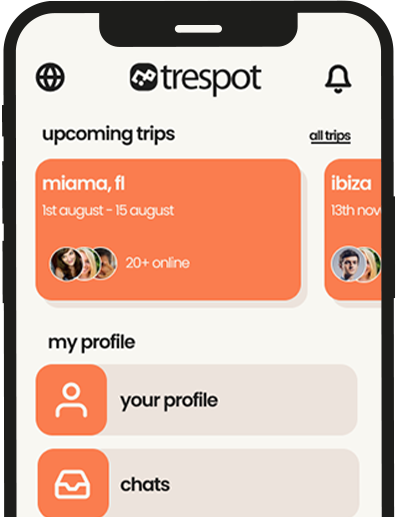
- Use verified platforms. On Trespot, travelers are verified through real trip details and you can talk in destination city chats before anything is booked. The full website list covers the alternatives, all usable from a normal computer browser.
- Vet slower, with family looped in. Two or three video calls instead of one. Ask for a reference from someone they’ve traveled with. Share the person’s profile with your adult kids — not for permission, for a second set of eyes. Then a local trial: coffee or a day trip before any shared itinerary. The complete checklist is in how to find a travel buddy.
- Structure beats stamina. Separate rooms (your own recovery space matters more with every decade), refundable bookings, shared costs settled every few days, and the no-fault exit agreement — either person can peel off at the next city, no drama.
Route 2: Group tours with company built in

For many seniors this is the honest sweet spot: you get a busload of potential friends, a guide handling logistics, and zero vetting burden. Choosing well comes down to four questions:
- “What’s the activity rating?” Reputable operators grade every itinerary (leisurely to strenuous) — believe the grade, not the brochure photos. Educational operators and over-50 specialists run gentler paces; soft-adventure companies serve active seniors who hike.
- “Do you match roommates?” Roommate matching pairs you with a same-gender solo traveler and erases the single supplement — often a 25–50% saving, and your roommate frequently becomes the trip friend.
- “What share of guests book solo?” A third or more means built-in social life; under ten percent means couples’ dinner tables.
- “What assistance is actually included?” Luggage handling, pace flexibility, accessible rooms — get specifics, not reassurance. If you need more than a tour provides, that’s Route 3, not a complaint letter later.
See our guides to travel groups for solo travelers and travel groups for adults for the operator landscape.
Route 3: Professional paid companions — when assistance is the point
A professional travel companion is a vetted person — sometimes with caregiving or nursing background — hired to make travel physically possible: airport navigation and wheelchair logistics, medication schedules, pacing the day around energy levels, handling problems in transit, and simply being a capable second pair of hands. The right call when mobility is limited, after a health event, for a first flight in decades, or for the bucket-list trip the family can’t escort.
- Agencies vs. independents. Agencies charge more but deliver background checks, insurance, and a backup if your companion gets sick. Independents (often retired nurses) cost less and feel more personal — but you become the vetting department: references from past client families, license verification where relevant, and a written service agreement.
- How pricing works. Expect a daily fee — commonly a few hundred dollars for trained companions, more for medical credentials — plus the companion’s own travel costs: their flight, room, and meals ride on your budget. A one-week escorted trip realistically adds thousands. Get the all-in number in writing before comparing.
- What it isn’t. Not medical transport (that’s a specialized service), not a tour guide, and not covered by Medicare or standard travel insurance — ask your specific insurer, expect “no,” and get any “yes” in writing.
- The one test that predicts everything: a paid trial outing at home. One afternoon — a museum, lunch, some walking — shows you compatibility, patience, and competence better than any brochure. No agency worth hiring refuses this.
Cost & fit comparison
| Option | Cost | You get | Right for |
|---|---|---|---|
| Peer companion | Free (split shared costs) | Company between equals | Independent, healthy travelers |
| Group tour + roommate match | Trip price; supplement waived | Built-in social life, handled logistics | First solo trip, easy company |
| Professional companion (independent) | Daily fee + their expenses | Personal assistance, flexible | Moderate needs, budget-aware |
| Professional companion (agency) | Higher daily fee + expenses | Vetted, insured, backup coverage | Higher needs, family peace of mind |
The family checklist (for adult children helping arrange this)
Seven questions that surface 90% of problems before money moves:
- Background check and references from at least two past client families — and actually call them.
- Experience with the specific needs: diabetes management, mobility aids, memory changes, whatever applies.
- Exactly which services are included — and what costs extra, in writing.
- The all-in price: daily fee, their flights, their room, their meals, gratuity expectations.
- The backup plan if the companion cancels or falls ill mid-trip.
- Insurance: theirs (liability) and the traveler’s (trip + medical, with the companion’s details on the emergency contacts).
- A paid trial outing before booking anything with a plane involved.
Scams that target older travelers
Unpleasant but necessary: romance and companion scams disproportionately target older adults, and losses reported to the US FTC run over a billion dollars a year. The defenses are mechanical:
- Never send money, gift cards, or crypto to someone you haven’t met in person — every scam variant funnels to this request; refuse it and they all fail.
- No video call, no relationship. A companion-to-be whose camera never works isn’t shy; they’re a stock photo.
- Watch the intensity curve. Deep affection by day three and a financial crisis by day ten is the script, not a coincidence.
- Real professionals never ask for wires. Legitimate companion services invoice through traceable channels and expect contracts. “Zelle my personal account to hold the date” is a no.
- Loop family in early. Not for permission — for pattern recognition. A second reader spots scripts that feel personal from inside.
The full protocol — meeting publicly, separate rooms, location sharing — is in our solo travel safety and travel safety tips guides. For a gentler on-ramp to going alone, see stress-free travel.
Quick takeaways
- Decide first: peer, group, or assistance. Everything else follows from that one choice.
- Peer matching works at any age — lead profiles with pace, vet slower, loop family in, keep separate rooms.
- Group tours with roommate matching erase the single supplement and bundle the social life; check the solo-guest percentage.
- Professional companions are worth it when assistance is the point: all-in pricing in writing, references called, paid trial outing first.
- Medicare and standard insurance generally don’t cover companions — budget accordingly.
- The money rule beats every scam: nothing sent to anyone you haven’t met in person.
Question & Answer
FAQs - Travel Companions for Seniors
1. How do seniors find travel companions?
Three routes work well: free peer matching on verified platforms and communities (lead your profile with pace and interests, not age); senior-friendly group tours with roommate matching, where company is built into the trip; and professional paid travel companions for travelers who need assistance with mobility, medications, or airport logistics.
2. How much does a travel companion for seniors cost?
Peer companions are free — you simply split shared costs like rooms and taxis. Group tours bundle companionship into the trip price, often with roommate matching to avoid single supplements. Professional companions typically charge a daily fee that can run to several hundred dollars, plus their travel expenses; agencies cost more than independents but handle vetting and backup.
3. Does Medicare or insurance pay for a travel companion?
Generally no. Medicare does not cover travel companion services, and standard travel insurance doesn’t either. A small number of long-term-care policies or veterans’ programs may reimburse care hours delivered during travel — ask the insurer directly and get any answer in writing before booking.
4. Am I too old to travel with a companion I met online?
No — peer matching works at any age, and travelers in their 60s, 70s, and beyond use it successfully. Age changes the vetting emphasis, not the eligibility: take more time before committing, involve family in the plan, insist on video calls, and be especially alert to romance scams, which disproportionately target older adults.
5. What should family ask before hiring a senior travel companion?
Ask about background checks and references from past client families, experience with the traveler’s specific needs, exactly which services are included, day-by-day pricing including the companion’s own travel costs, backup plans if the companion falls ill, and insurance coverage. A trial local outing — one afternoon together before any flight — is the single best predictor.
6. What are the best group tours for seniors traveling alone?
Look for operators that publish activity-level ratings, offer roommate matching to erase the single supplement, and skew to your age range — educational tour companies, over-50 specialists, and soft-adventure operators for active seniors all fit. Ask what percentage of guests book solo; on senior-focused tours it’s often a third or more.
The trip you’ve been postponing is still there
If you’re the independent kind, post your trip on Trespot — pace-first profile, verified travelers, city chats you can read from your laptop before committing to anything. The companion problem is solvable in every direction; the only unsolvable version is the trip that never gets booked.
References
- Explore Worldwide, Solo Travel Trends Report 2026 — growth of older solo travelers.
- US Federal Trade Commission — romance scam losses and age patterns.
- Medicare.gov coverage documentation — companion services exclusions.
- Solo-friendly tour operator programs — roommate matching and solo-guest shares.