
The short version
Finding a trip buddy isn't the hard part. There are apps for it, and plenty of people want company. Finding someone you can stand for ten days of shared taxis, early starts and split bills is harder. Most trips that go wrong don't go wrong because the other person is dangerous. They go wrong because nobody talked about money, pace or sleep before booking.
So this guide spends less time on where to look and more on what to check before you commit: a compatibility checklist, what to do before meeting, how to handle money, and how to plan a trip together that still leaves you time alone.
Do you actually need a trip buddy?
A trip buddy can mean someone for an afternoon walking tour or someone for a three-week road trip. Those are very different commitments, and it helps to know which one you want.
For a short city break, or a trip where you actually want to be alone, you probably don't need a full-time travel partner. Company for a dinner or a day trip is enough, and it's much lower risk. Save the full partnership for longer trips where sharing a car, a room or a guide really pays off.
Where to find a trip buddy
Apps that match you by trip
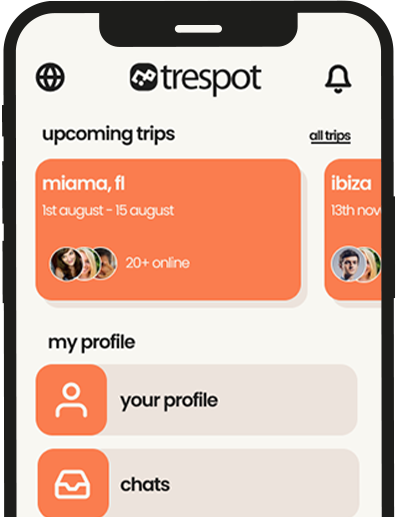
- Trespot: add your trip, verify it with a ticket or booking, and join the group chat for your city with other travelers there at the same time. Our trip buddy app guide shows how it works on your phone.
- GAFFL: matches you one-to-one with travelers whose destination and dates overlap with yours.
- Travello: a social feed for travelers. Good for questions and meetups, less focused on finding one travel partner.
Apps for women traveling with women
- Tourlina: open to all genders since 2024, with a setting to be visible to women only. Profiles are reviewed before you can match.
- NomadHer: a community for women traveling solo, with meetups.
Other ways in
- Workaway: has a travel buddy feature, and suits slower trips built around volunteering.
- Group tours: many tour companies will pair solo travelers as roommates, which saves the single supplement and gives you a ready-made group.
For a fuller comparison, see our guide to the best travel buddy apps.
Are you compatible? 10 things to check
Before you book anything together, have a proper video call, 20 minutes or so, and go through these. You don't need to agree on everything. You do need to know where you differ, so it doesn't come up for the first time on day two.
| Topic | What to ask |
|---|---|
| Daily rhythm | Early starts or late nights? When do you need quiet? |
| Budget | What's your daily limit? What are you happy to splurge on? |
| Food | Street food or restaurants? Any dietary needs? |
| Pace | Three museums a day, or one and a long lunch? |
| Planning | Everything booked ahead, or figure it out as you go? |
| Risk | How do you feel about scooters, night buses, remote hikes? |
| Social energy | Hostel parties or quiet evenings? |
| Work | Will you be working? Calls, Wi-Fi, set hours? |
| Rooms | Dorms, shared room or separate rooms? Be honest about snoring. |
| Boundaries | Drinking, photos, privacy, and anything else that matters to you, such as prayer times, medication or accessibility needs. |
Warning signs: won't do a video call, asks for money or deposits early, laughs off your boundaries, or pushes to share a room straight away.
Before you meet
- Look at their profile properly. Is there a real bio, more than one photo, some trip history? Verified trips and moderated apps help here.
- Talk on video, more than once. The first call is just to see if you get on. The second is for the practical stuff.
- Check they're real. Linked social accounts or a mutual contact go a long way.
- Meet somewhere public first. A café in daylight works well. Don't hand over luggage, and know how you'll get back.
- Tell someone your plans. Share your itinerary and live location with a friend or family member for the first few days.
Talking about money
Money causes more arguments between travel partners than anything else, and it's easy to avoid if you agree a few things upfront.
- Split the booking. One of you books transport, the other books places to stay, and you settle up every day in an app like Splitwise.
- Agree a daily limit, plus a small buffer of 10 to 15% for surprises.
- Book refundable until you've met. Don't pay for anything non-refundable together before you've spent a day in person.
- Both say yes to upgrades. Anything above the agreed budget needs both of you to agree before anyone pays.
Something as simple as "we split transport 50/50 at the end of each day, and any upgrade needs both of us to say yes" saves a lot of awkward conversations.
Planning a trip for two without losing your freedom
You don't have to do everything together. A split that works for a lot of people: about 60% shared and 40% on your own. Do the arrival, the first two or three nights and a couple of big activities together, and leave the rest open.
Agree that either of you can skip something without it being a big deal. Take turns choosing (your museum, their hike), and keep a few backup plans for each city in case of rain or closures.
What to say when things get awkward
It helps to have the words ready before you need them:
- "That's more than I want to spend. Can we find something cheaper, or do our own thing today?"
- "I need some time on my own this afternoon. Dinner at 7?"
- "I'm not getting on a scooter at night. I'll take the metro and meet you there."
For emergencies: both save the local emergency number and your embassy's contact details, agree a place to meet if you get separated (your hotel reception works), and keep copies of key documents somewhere you can both reach.
Finding a trip buddy as a woman
NomadHer, which is women-only, and Tourlina, set to women-only visibility, are a good place to start. Still go through the same steps: video calls, meet in public, share your location with a friend. On mixed apps, use the report and block tools early if someone ignores your boundaries.
- Choose places to stay with 24-hour reception and secure entry.
- Do public activities together first, like walking tours or classes, before a full day trip.
How it goes right, and how it goes wrong
When it works
Two people find each other on a trip-based app. They have two video calls and go through the checklist, and it turns out they both like early starts and mid-range hotels. They book refundable rooms, settle up every evening, and plan a couple of afternoons apart. No arguments about money, and they end up planning another trip together.
When it doesn't
Two people skip the video calls and never talk about budget. One expected hostels, the other boutique hotels. By day two they're arguing about taxis and nights out. Twenty minutes with the checklist would have caught it before anyone booked anything.
Meeting people city by city with Trespot
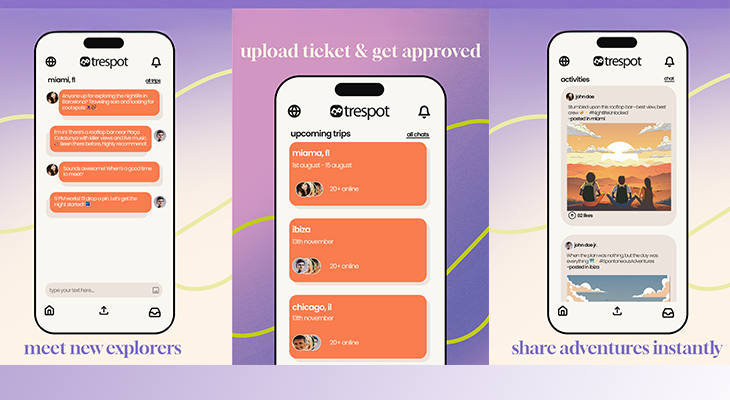
This is where Trespot fits. Rather than committing to one trip buddy for the whole trip, you can meet a few people in each place:
- Add your trip and verify it with a ticket or booking.
- Join the group chat for your city and dates.
- Suggest something simple, like dinner on your first night or a sunrise walk.
- Ask other travelers about closures, weather or anything else that changes plans.
- If you get on with someone, go through the checklist above before planning a longer day together.
Trip verification keeps out most spam and fake accounts, but it isn't a background check, so the safety steps above still apply.
When you're already on the road
- Say it early. Most friction is about pace or money. Mention it the first time it bothers you, not the fifth.
- Take time alone when you need it, and say so. Don't just disappear.
- Take turns choosing restaurants and activities.
- End it cleanly if you need to. "I'm going to do the next part on my own" is enough. Settle any shared costs the same day.
Checklist
- Go through the 10-point checklist on a video call before booking anything together.
- Meet in public first, and share your plans and location with someone you trust.
- Agree on money early: a daily limit, a buffer, daily settling up, and both saying yes to upgrades.
- Leave time apart. Around 60% together and 40% alone works for a lot of people.
- Use a trip-based app like Trespot or GAFFL to find people, or Tourlina or NomadHer if you'd rather travel with women.
- If it isn't working, say so kindly and settle up the same day.
FAQs
What's the fastest way to find a trip buddy for fixed dates?
Use an app that matches by destination and dates, like Trespot or GAFFL. Then go through the compatibility checklist and meet in public before booking anything together.
How can women find a travel partner safely?
Start with NomadHer, which is women-only, or Tourlina set to show your profile to women only. Still do a video call, meet somewhere public first, and share your live location with a friend.
How should we split costs?
Decide who books what, settle up every day in an app like Splitwise, and agree that upgrades need both of you to say yes. Keep a 10 to 15% buffer for surprises.
Can I keep my independence with a trip buddy?
Yes. Plan the main things together, leave some days or afternoons free, and agree that either of you can skip something. Meeting up for dinner is a good way to swap stories.
What if my trip buddy and I don't get along?
Be kind and direct: "I'm going to do the next part on my own." Settle shared costs the same day. You can still meet other travelers for day plans through city chats.