Introduction
Traveling solo is liberating—but it’s even better when your solo travel app does the heavy lifting: surfacing relevant meetups, verifying who’s real, protecting your privacy, and plugging you into a city’s pulse the moment you land. Most roundups list maps and booking tools, but the 2026 conversation is bigger: trust, safety, and community. In this guide, we analyze what top-ranking pages cover, outline the features that actually matter, and show how to build a practical “app stack” that blends utilities (offline maps, money apps) with a verified community layer. You’ll learn why city-and-date chat rooms dramatically increase relevance, how women-focused spaces improve confidence, and where many lists fall short. Finally, we’ll show how Trespot connects you with verified travelers in your destination during your exact dates—so you can turn “alone” into “connected” without compromising safety or spontaneity.
Why Solo Travel Apps Matter in 2026
Solo trips continue to surge across age groups; Gen-Z and Millennials, in particular, want both independence and connection. The right solo travel app provides more than tools: it gives you belonging. Beyond navigation and bookings, community and safety layers (verification, check-ins, block/report, women-only rooms where applicable) create confidence to explore unfamiliar places. In short: utilities help you go; community + safety help you belong.
Core Features to Look For
Identity & Trip Verification
Profiles anchored to real trips (e.g., ticket or itinerary checks) filter out bad actors and align people by time/place. This unlocks higher-quality meetups and reduces noise.
City- & Date-Based Rooms
Generic “nearby” feeds get crowded fast. A better model is city rooms bound to your travel dates, so you see trip-timed ride shares, museum buddies, and local tips when they’re actually useful.
Safety Stack & Private Messaging
Look for features that support ICE (In Case of Emergency) info, secure messaging, and privacy controls. Add a VPN and password manager to your personal stack for public Wi-Fi and account safety.
Moderation & Anti-Spam
Rate limits, link filters, block/report, and active admin review keep communities healthy. The best teams treat safety as product, not a policy page.
Planning & Logistics: Your Utility Toolkit
Utilities act like “plugins” for your community layer. Offline maps (e.g., Google Maps offline, Maps.me), multi-modal routes (Rome2Rio), transit intelligence (Citymapper), packing (PackPoint), itineraries (TripIt/Wanderlog), and money tools (Wise/Revolut) are table stakes. Pair them with a verified community to decide what to do, then execute it well.
- Urban weekend: Citymapper + TripIt + a city-and-date chat room.
- Nature-heavy: Maps.me + AllTrails + emergency contacts + local hiking buddies via community rooms.
Pro tip: Screenshot QR codes, tickets, and addresses—airport/hostel Wi-Fi bottlenecks are real.
Social Discovery & Meetups
Matching by Interest, Itinerary, and Intent
Smart social layers match by what you like, where you’ll be, and when you’re there. That’s how museum buddies, trail partners, and coffee chats happen naturally—without endless DMs.
Hostels, Meetups & Beyond Dating Apps
Hostel chats and pre-arrival linkups lower first-night friction. Food tours, walking tours, and classes create structured time for easy bonding. Women-only spaces further boost confidence through identity-based trust.
Unique Insight
Pair interest + itinerary. A photography fan in the city next Tuesday is far more relevant than a generic “nearby” match.
Safety by Design: Protocols That Work
Digital Hygiene
- Use a password manager and enable 2FA on email/banking.
- Install a trusted VPN for public networks.
- Store ICE and key numbers (embassy, insurer) in your phone and on paper.
Check-ins, Live Location & Route Logging
Share live location with a trusted contact when hiking or heading to new neighborhoods. Keep arrival times earlier in the day when possible; pre-book transfers at night.
Neighborhood Intel
Use geo-aware safety apps and—crucially—verified community rooms for up-to-date, on-the-ground advice.
Case Studies & Competitor Lessons
Pre-Arrival Chats
Pre-arrival chat features in hostel ecosystems demonstrate how a few messages before check-in can turn strangers into dinner plans, reducing first-day anxiety and speeding up trust.
Women-Only Communities
Verified, women-only networks show how identity constraints can improve safety and interaction quality, especially for first-time soloists.
Utility Roundups: What They Prove
Year after year, top lists highlight the same truth: utilities are non-negotiable. The modern edge is how you connect people around those tools.
Where Most Lists Fall Short
Few go deep on verification, moderation, and city-and-date gating—the core levers for trust, relevance, and real-world plans.
Why Trespot Stands Out
Verified Access via Trip Tickets
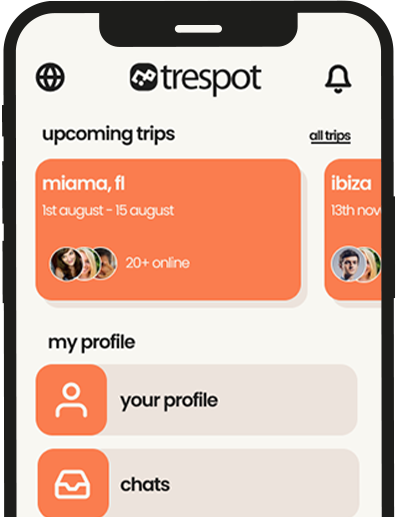
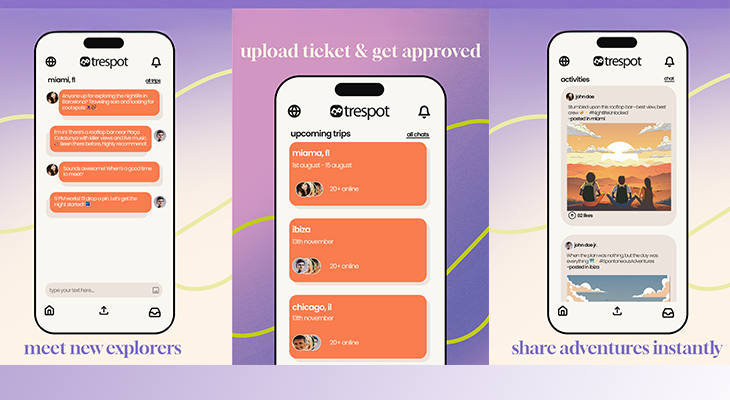
On Trespot, access to public city rooms requires a valid trip upload that admins approve. Result: fewer fakes and higher-quality chats.
City Chat Rooms Tied to Your Dates
Trespot aligns you by city + trip window, so your questions and meetups reach people who are actually there when you are—no more irrelevant noise.
Activities, Private Chat & Safety Guardrails
Share live tips and photos in the Activities feed, switch to private chats when plans click, and rely on report/block and admin review to keep rooms healthy. It’s the verified social layer your utility stack has been missing.
How to Pick the Right App
- Verification: Is access tied to trips or identity checks?
- Safety: Private messaging, report/block, privacy-first defaults.
- Community: City/date rooms, interest tags, respectful norms.
- Utility Fit: Plays nicely with maps, money, and itinerary tools.
Try-before-you-fly: Set up your profile, join your city room, download offline maps, and save key phrases in your translator app.
Quick Comparison Table
| Evaluation Factor | What “Good” Looks Like | How Trespot Helps |
|---|---|---|
| Verification | Trip- or ID-anchored profiles; admin checks | Ticket-gated access to city rooms with admin approval |
| Relevance | City-and-date rooms; intent tags | City chat rooms bound to your exact trip window |
| Safety | Private DMs, report/block, moderation | Report/block, admin review, privacy-first controls |
| Utilities | Works alongside maps/money/itinerary apps | Community layer that complements your utility stack |
| Social Discovery | Match by interest + itinerary + timing | Real-time rooms for meetups, ride shares, and tips |
Use this table as a checklist when comparing any solo travel app.
Quick Takeaways
- Utilities are table stakes; trust & community are the differentiator.
- City + date gating turns noisy feeds into relevant meetups.
- A solid safety stack (ICE, VPN, secure messaging) is non-negotiable.
- Pre-arrival chats reduce first-day friction and boost confidence.
- Trespot uses ticket verification and city/date rooms to raise connection quality.
Conclusion & Next Steps
The best solo travel app doesn’t replace your toolkit—it connects it. Keep your offline maps, routing, packing, and money apps; then add a verified community layer to transform logistics into shared discovery. Prioritize platforms that prove trust (verification), curate relevance (city + dates), and practice safety by design (report/block, privacy-first defaults).
That’s exactly where Trespot shines. Verify your trip, join the destination room for your travel window, post your intro + plan, and line up a low-stakes meetup before you arrive. Add your utility stack and you’ve built a confident, connected, and safe approach to solo travel. Ready to move from “alone” to “plugged in”? Join Trespot and meet verified travelers in your next city.
Question & Answer
FAQs — Solo Travel Apps
1) What features matter most in a solo travel app?
Trip verification, city-and-date rooms, private messaging with report/block, and harmony with maps/money/itinerary tools. These deliver trust, relevance, and ease.
2) Are women-only communities helpful for first-time soloists?
Yes—verification plus women-only spaces increase confidence and reduce friction. You can still use mixed rooms when you want broader meetups.
3) Do I still need offline maps and utility apps?
Absolutely. Utilities are non-negotiable. The right community app complements them by helping you decide what to do and who to do it with.
4) How do I avoid spam and awkward DMs?
Choose apps with ticket/ID verification, clear rules, and active moderation. City-and-date rooms naturally filter irrelevant messages.
5) What’s the fastest way to meet people in a new city?
Join your destination’s city room a week early, post your intro + plan, and line up one social anchor (walking tour, food crawl, or class) for day one.
References
- WIRED — Apps that simplify and enhance solo travel
- Travel + Leisure — Best travel apps and picks
- Solo Traveler World — Safety apps & practical tips
- Hostelworld — Social features and pre-arrival linkups
- NomadHer — Women-only verified travel community
Sources span editorial roundups, official platforms, and solo-travel communities to triangulate best practices for 2026.
We’d Love Your Feedback
Did this guide help? Share it with a friend planning a solo trip—and tell us in the comments: What’s the one feature you wish every solo travel app had? If you’re heading out soon, join Trespot to meet verified travelers in your destination during your exact dates.