
Solo traveler tips have evolved far beyond “pack light.” With AI itinerary tools, hyper-social hostels, and global safety data at your fingertips, going it alone in 2026 feels more empowering than ever. This guide delivers field-tested strategies budget hacks, networking apps, mental-health safeguards so your next solo stamp trades worry for wonder.
1. Why Solo Travel Is Booming in 2026
Remote-work visas are now active in 58 countries, and two-thirds of Gen Z prefer buying experiences over property. SoloTravelerWorld’s 2024 survey shows a 34 % YoY rise in one-way tickets purchased by women under 35 . Social platforms normalize eating alone, while location-sharing apps soothe family fears. Solitude, once seen as a red flag, is now a flex.
Mindset Shift: Solitude ≠ Loneliness
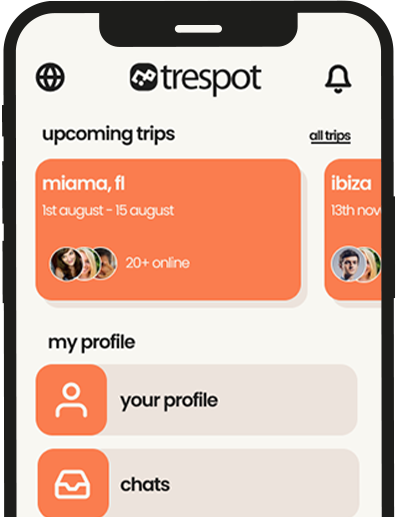
Treat solo travel as an attention dial: you can fine-tune experiences without compromise, yet ramp up social interaction whenever you join hostel dinners or free walking tours. View loneliness as a “check-engine light” prompting community action jump into a local Meetup, language exchange, or Trespot room within hours.
2. Pre-Trip Planning Essentials
Destination Vetting
Cross-reference the Global Peace Index with Nomad List’s Female Safety score and shortlist cities scoring 70+. Add diversity metrics (LGBTQ+ friendliness, cultural mix) and healthcare quality. From mid-2026, 26 Schengen states require the new ETIAS pre-authorization (US $8, valid three years) .
Health & Docs
Upload encrypted scans of your passport, vaccine card, and insurance PDF to a zero-knowledge cloud like Sync.com. Keep printed copies in sealed Ziplocs one in carry-on, one in hostel lockers. Traveling to tropical zones? Pack a menstrual cup; tampons vanish outside capitals.
3. Budget Engineering for One
Solo rooms cost extra, but hacks soften the blow:
| Expense | “Duo Price” | Solo Hack |
|---|---|---|
| Hotel double room | $80 | Hostel private ($40) or co-living pass |
| Airport taxi | $25 | Public shuttle $5 or rideshare line |
| 2-person tour | $120 | Join-a-group filter on Viator |
Skyscanner data shows single-seat airfare searches on Mondays 1 a.m. local time average 12 % cheaper use incognito + VPN to dodge dynamic pricing.
4. Smart Packing for Every Climate
20-Item Capsule Wardrobe
- Two merino tees + one long-sleeve base
- Light fleece + ultralight down jacket + rain shell
- Hiking pants, dark jeans, leggings, and a dress
- Trail runners, compact flats, flip-flops
Tech Kit
60 W GaN charger, 20 000 mAh PD bank, universal eSIM (Airalo), cable lock, Bluetooth tracker tucked in checked bag.
Female-Specific Add-Ons
Period cup, door-stop alarm, pocket pepper spray (check import laws), facial steamer for dry hotel air.

5. Staying Safe Without Killing Spontaneity
Apply the Three C’s Rule: Communicate plans, Contextualize surroundings every 15 min, Carry essentials (ID, local cash, charged phone). Photograph your ride’s plate before hopping in.
Emergency Layering
- Phone SOS shortcut (triple-press side-button)
- Offline maps via Mapy.cz
- Local eSIM with unlimited texts
- 24 h insurance hotline on speed-dial
Rick Steves notes petty theft plummets when phones stay pocketed in transit hubs .
6. Navigation & Transport Hacks
Public Transit
Use Citymapper or Moovit. Last-train alerts prevent costly late-night rides. Sit near drivers on night buses; some metros (Tokyo, Delhi) offer female carriages.
Car Rental
Choose automatic if you’re road-tripping mountains. Photograph car roof-to-hubcap; email yourself for timestamp proof.
Ride-Shares
In markets sans Uber, try Bolt or inDrive. Message: “I’m sharing trip with my sibling” to deter misconduct.
7. Accommodation Tactics
Filter Hostelworld for “female dorm” and cross-check Booking reviews tagged “solo female.” Seek privacy curtains and communal kitchens.
House- & Pet-Sitting
TrustedHousesitters says 64 % of 2024 sitters traveled alone swap rent for pet cuddles with a US $169 annual fee.
8. Eating Alone Confidently
Sit at counters or communal tables. Start with drink order; ask servers for their favorite dish it sparks conversation.
Social Food Experiences
- Airbnb Experiences home dinners
- Culinary Backstreets small-group tours
- Hostel potlucks (bring salad + wine)
9. Meeting People on the Road
Language exchanges, Meetup groups, and Trespot city rooms are instant friend engines. Reddit r/solotravel threads confirm small-group tours create WhatsApp convoys within hours .
10. Tech & AI Tools
| Tool | Purpose | Solo Advantage |
|---|---|---|
| Airalo eSIM | Global data | No SIM-tray hassle |
| DeepL / Google Lens | Live text translate | Order food confidently |
| ChatGPT GPT-4o | Plan & translate slang | 24 / 7 travel buddy |
| PolarSteps | Auto route diary | Family peace of mind |
AI day-plan generators save solo travelers three hours of research on average .
11. Content Creation & Digital Safety
Use a mini gorilla-pod + Bluetooth shutter for reels. Tunnel public Wi-Fi through Proton VPN 70 % of identity theft stems from unsecured hotel networks .
12. Mental-Health & Burnout Prevention
Create micro-routines: 10-min journal + breathwork at dawn. Use BetterHelp for timezone-agnostic therapy. If drained, book a private room or nature day.
13. Sustainable & Ethical Solo Travel
Travel slow (trains > flights), carry collapsible containers, refill bottles, and pick locally owned cafés. Vet voluntourism via ResponsibleTravel.com .
14. Top Solo-Friendly Destinations
Lisbon (coastal sunsets), Chiang Mai ($300 studios), Medellín (free salsa), Ljubljana (green & safe), Kyoto (temple sunrises) all score 80+ on Nomad List’s female-safety index.
15. Resources & Community Links
- SoloTravelerWorld – blog & forums
- SafeAround city heatmaps
- NomadHer (women-only travel app)
- Numbeo cost of living data
- Global Peace Index reports
Conclusion
Going solo no longer means going it alone. With safety layers, community apps, and lean budget strategies, every airport gate becomes a launchpad toward autonomy, creativity, and friendships you haven’t met yet. Ready to plot the most important location on your life map? Book the ticket, share your itinerary, and let serendipity handle the rest.