The short answer
A Ladakh group trip runs 7–10 days, June to mid-September, on one of two spines: fly into Leh and do radial loops (easiest), or ride/drive in via Srinagar and out via Manali (the classic full circuit). Groups of 4–8 with matched riding levels and an agreed pace get the best of it — jeeps, backup vehicles, and camps all price per group, and altitude safety is a team sport. Assemble your crew on Trespot two to four weeks out, or join an operator batch — both work; this guide covers when each wins.
Why Ladakh is a group trip
Three structural reasons. Economics: the Innova to Pangong, the backup vehicle on a bike convoy, the Nubra camps — all priced per vehicle or per tent, so a crew of six pays a fraction per head of what a pair does. Safety: above 15,000 feet, a companion who notices your headache getting worse is not a luxury; breakdowns between Pang and Sarchu are solved by convoys, not by luck. The experience itself: Ladakh’s magic moments — sunrise at Pangong, the last push up Khardung La, maggi at a Chang La dhaba — are group memories by nature. Solo travelers famously arrive alone in Leh and leave with a crew; the smart ones assemble the crew before booking anything.
The two routes
Fly-in Leh (7 days): land, acclimatize two nights, then radial loops — Sham Valley warm-up, Nubra via Khardung La, Pangong via Chang La, back through Leh. Best for limited leave, first-timers, and mixed-experience groups. The non-negotiable: those first 48 gentle hours in Leh.
The full circuit (10–12 days): in via Srinagar — Kargil (gradual altitude gain, the smart direction), out via the Manali highway’s big passes (Baralacha La, Tanglang La), or reverse if you must. This is the bucket-list version: Zoji La’s drama, Lamayuru’s moonland, the More Plains at full throttle. It demands more days, more budget, and a crew whose commitment you’ve verified — mid-route dropouts break circuits.
Bike vs tempo traveller
| Factor | Bike convoy | Tempo/SUV group |
|---|---|---|
| The experience | The one on the posters — earned, exposed, unforgettable | Same views, shared playlists, zero saddle soreness |
| Skill floor | Real riding experience; water crossings and gravel are not learning terrain | None — anyone can join |
| Group needs | Matched riding levels, backup vehicle, agreed no-hero rules | Compatible pace and music tolerance |
| Weather exposure | Total — buffer days essential | Manageable |
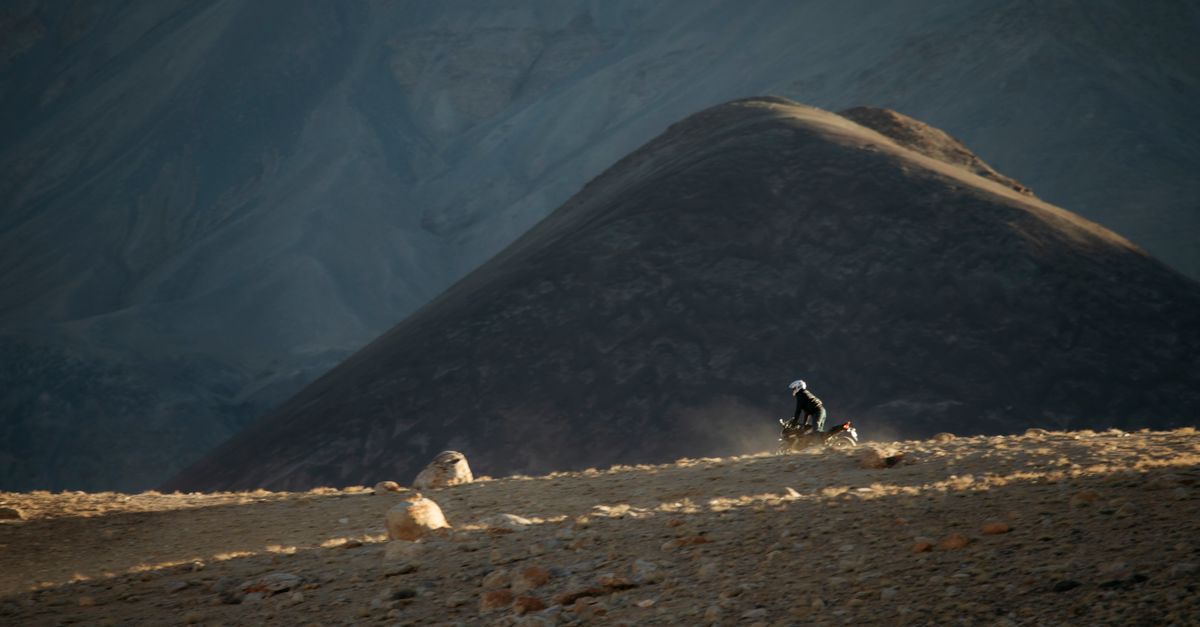
The honest rule from every experienced Ladakh crew: ride your own ride. Mixed convoys work when the fastest rider waits at every junction and nobody “pushes on ahead.” A crew that agrees this before Rohtang stays friends after Tanglang La.
Honest costs in 2026
- Operator batches: typical 7-day Leh-loop packages run roughly ₹20,000–35,000 per head (shared rooms, transport, most meals); bike-trip batches with backup vehicle land higher, plus fuel and bike rental (₹1,500–2,500/day for a 350–500cc).
- Self-assembled crews: the same loop DIY — split Innova (₹4,000–6,000/day), guesthouses, dhaba meals — reliably comes in 25–40% under package prices for a crew of five or six.
- The line items people forget: inner line permits, oxygen-can rentals nobody should skip, buffer-day accommodation, and the Leh café budget that always doubles.
- Flights: Leh fares spike with demand — book the moment dates lock; this is the deposit-deadline rule from how to plan a group trip earning its keep.
The AMS rules that matter
Acute Mountain Sickness is Ladakh’s only real villain, and it’s beaten by boring discipline: two full acclimatization nights in Leh (11,500 ft) before any pass, no matter how good you feel on day one; hydrate absurdly; skip alcohol for the first 48 hours; climb high, sleep low where the route allows; and treat a worsening headache, nausea, or breathlessness as a descent instruction, not a toughness test. Groups outperform solos here for one reason: you monitor each other. Agree before the trip that anyone can call an AMS stop for anyone, no debate, no ego. Carry Diamox after a doctor’s consult, know where the oxygen is (hotels in Leh, army posts on passes), and buy travel insurance that covers high altitude.
Finding your crew
- Post the trip on Trespot 2–4 weeks out: dates, route (fly-in loop or full circuit), bike or tempo, budget per head, and riding experience if it’s a convoy. Ladakh posts are among the fastest-filling trips on the platform — every Indian city chat has someone waiting for exactly this message.
- Vet like the mountains are watching: video call, riding-experience honesty both ways, budget in numbers, and the no-hero and AMS-stop agreements made explicit. The full ritual is in how to find a travel buddy; what group life is actually like is in traveling with strangers.
- Draft the route with the AI trip planner — days, acclimatization buffers, permit stops — and share the PDF so the crew commits to a plan, not a vibe.
- Or join a batch: operator group departures suit first-timers and solo travelers short on planning time — you trade some freedom and money for a handled machine. Many travelers do one batch trip, learn the terrain, and self-assemble forever after.
Quick takeaways
- June to mid-September; 7-day fly-in loop for first-timers, 10–12 day Srinagar-in/Manali-out circuit for the full bucket list.
- Groups of 4–8 win on economics (per-vehicle pricing), safety (AMS monitoring, convoy backup), and the memories themselves.
- Bike convoys need matched skill and no-hero rules; tempo groups need only compatible pace. Both are the real Ladakh.
- Two acclimatization nights in Leh are non-negotiable; anyone can call an AMS stop for anyone.
- Self-assembled crews save 25–40% over packages — post dates, route, and budget on Trespot 2–4 weeks out.
Question & Answer
FAQs - Ladakh Group Trip
1. How much does a Ladakh group trip cost?
Operator batches typically run ₹20,000–35,000 per head for 7 days (transport, shared stays, most meals), with bike batches higher plus rental and fuel. Self-assembled crews of five or six splitting an Innova and guesthouses reliably land 25–40% cheaper. Flights to Leh are the wildcard — book the day dates lock.
2. What is the best month for a Ladakh group trip?
June to mid-September. June has snow walls and full rivers, July–August is peak season with every pass open, and early September brings golden light and thinner crowds. The Manali highway typically opens by June and closes by mid-October; shoulder weeks need buffer days.
3. Is a bike trip to Ladakh safe for beginners?
Not for riding beginners — water crossings, gravel, and altitude are unforgiving learning terrain. Honest options: build real touring experience first, join as a pillion, or take the tempo/SUV version, which sees identical scenery. Convoys with matched skill, a backup vehicle, and no-hero rules keep experienced groups safe.
4. How do I find people for a Ladakh trip?
Post your dates, route, vehicle type, and per-head budget on Trespot two to four weeks ahead — Ladakh is one of the fastest-filling trip posts among Indian travelers. Vet with a video call, match riding levels honestly, and agree the AMS-stop rule before anyone books.
5. How many days do you need for Ladakh?
Seven days minimum for the fly-in loop (two acclimatization days, Nubra, Pangong, Leh sights). Ten to twelve for the full Srinagar–Leh–Manali circuit. Anything shorter turns the trip into a headache-flavored highlight reel.
6. What about AMS on a group trip?
It's the one real risk and it's managed by discipline: two gentle nights in Leh first, heavy hydration, no alcohol for 48 hours, and a group agreement that anyone can call a stop or descent for anyone. Carry doctor-advised Diamox, know oxygen locations, and buy insurance that covers high altitude.
Your crew is already planning this
Post your Ladakh dates on Trespot — route, bike or tempo, budget per head — and match with verified travelers who’ve been waiting for exactly your message. The passes are better shared.
References
- Capture A Trip and JustWravel — Ladakh group departure formats and pricing bands.
- Leh district administration — inner line permit requirements.
- High-altitude medicine guidance — AMS prevention basics.