
The short answer
A solo trip to Manali runs 3–5 days on a simple frame: overnight Volvo from Delhi (or fly Kullu–Bhuntar), base in Old Manali’s hostel-and-café lanes, walk the near ring (Jogini falls, Manu temple, Vashisht hot springs), day-trip the far ring (Sissu via the Atal Tunnel, Solang, Naggar), and let the café scene supply the company. Come October–November or March–June for the classic version; open Trespot’s Manali chat before the bus and arrive with plans.
Base in Old Manali (here’s why)
Manali is two towns wearing one name. Mall Road Manali is the family-tourism engine — useful for ATMs, bus tickets, and people-watching, wrong as a solo base. Old Manali, across the Manalsu bridge, is the solo traveler’s village: guesthouses and hostels stacked up a café-lined lane, apple orchards behind, trail heads at the top, and an evening scene of live music and long menus where sitting alone lasts about eleven minutes before conversation finds you. Vashisht, ten minutes the other way, is the quieter third option — hot springs, temple courtyard, sunset walls — ideal for second visits or writers on deadline.
The day-trip ring
- The walking ring (day one): Jogini waterfall via Vashisht (two hours of orchard and pine, the perfect acclimatizer), Manu temple lane, hot-spring soak, café recovery. No transport needed — this is why Old Manali wins.
- Sissu & the tunnel (the headliner): through the Atal Tunnel into Lahaul’s moonscape — Sissu’s waterfall and river flats, snow well into spring. Shared cabs and bike rentals make it a half-day; the landscape change at the tunnel’s far mouth is the trip’s jaw-drop moment.
- Solang Valley: paragliding, zorbing, ropeway — the adventure-park morning; winter turns it into the ski-and-snow scene.
- Naggar: the culture day — castle, Roerich gallery, quiet artist-village lanes; pair with a Jana falls lunch stop.
- Hampta-side tastings: Jobra day walks for a Himalayan-trail sampler without the multi-day commitment — and a preview of the treks the base-camp play unlocks.
Season math (and the snow question)
- March–June: the classic — open cafés, green valleys, Rohtang/Sissu snow still bankable early. Peak Indian-summer crowds in May–June; book beds ahead.
- October–November: the connoisseur’s window — crisp air, gold poplars, thin crowds, full views.
- December–February: snow-in-town some weeks, snow-at-Sissu reliably — the answer to “will I see snow?” is the tunnel, not the town. Cold-proof your plans and enjoy Manali at its coziest.
- July–September (monsoon): green and moody with landslide roulette on the highways — keep plans flexible and buffer the return bus.
The scene: cafés, hostels, company
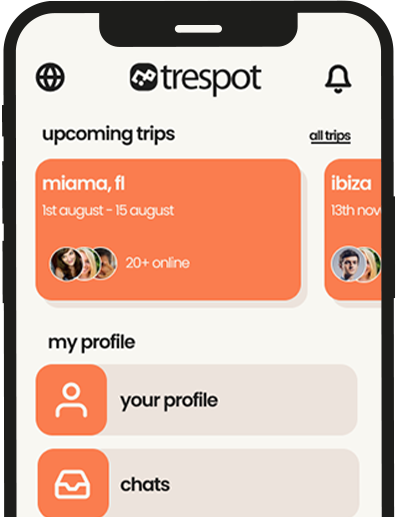
Manali’s solo social engine has three gears. The hostels — Old Manali’s dorm-and-common-room houses run family dinners, bonfires, and trek boards; three nights in one and your crew exists. The cafés — long-menu, longer-stay institutions where laptop mornings turn into shared-table afternoons; café regulars are the town’s real information network. The chat — post “Jogini walk tomorrow 9 a.m.” or “splitting a Sissu cab Thursday” in Trespot’s Manali chat and watch the seats fill; cab-splits are the town’s native matchmaking format. Women travelers rate Old Manali among the Himalaya’s easiest solo bases — the standard protocol plus mountain sense (registered cabs after dark, trail company for the quieter paths) covers it.
The base-camp play
Manali’s quiet superpower: it’s the doorway to everything north and east. From the same bus stand and the same chat, solo travelers assemble into: Kasol–Kheerganga pods (two hours down-valley — the classic add-on), Hampta Pass and Beas Kund trek groups (the Himalaya’s best first multi-days), Spiti circuits exiting or entering via the tunnel, and Ladakh convoys staging for the highway. The pattern is always the same: arrive solo, base in Old Manali, post the plan, leave with a crew. Budget note for the whole play: beds ₹400–1,000 (dorm) or ₹1,200–2,500 (private), thalis and momos cheap, cabs the main line item — split accordingly.
Quick takeaways
- Base in Old Manali — the café-and-hostel village — not Mall Road; Vashisht is the quiet alternate.
- Ring order: walk day one (Jogini, Vashisht), headline with Sissu via the tunnel, add Solang adrenaline and Naggar culture.
- Snow lives at Sissu more reliably than in town — the tunnel answers the winter question.
- Three social gears: hostel family dinners, café long-stays, and chat cab-splits — Manali’s native matchmaking.
- The real move is base camp: arrive solo, post the plan, leave for Kasol/Hampta/Spiti/Ladakh with a crew.
Question & Answer
FAQs - Solo Trip to Manali
1. Is Manali good for a solo trip?
One of the Indian Himalaya's best solo bases: easy overnight access from Delhi, a walkable café-and-hostel village in Old Manali where company is ambient, day trips at every energy level, and onward routes (Kasol, Spiti, Ladakh) that assemble crews naturally.
2. Where should a solo traveler stay in Manali?
Old Manali, almost without exception — hostels and guesthouses on the café lane, trailheads at the top, and the town's solo scene built in. Vashisht suits quieter second visits; Mall Road is for ATMs and bus tickets, not for basing.
3. How many days are enough for solo Manali?
Three to five: one walking day (Jogini, Vashisht), one Sissu-via-tunnel headliner, one flex day (Solang or Naggar), plus arrival/departure halves. Add days only if Manali is your base camp for treks or Spiti/Ladakh staging.
4. Will I see snow in Manali?
December–February often in town and reliably at Sissu and Solang; early spring keeps snow at altitude via the Atal Tunnel. Summer visitors chasing snow should aim for Sissu — the tunnel, not the town, answers the snow question.
5. How much does a solo Manali trip cost?
Dorms ₹400–1,000, privates ₹1,200–2,500, meals cheap, Volvo from Delhi ₹1,200–2,000 each way. Cabs are the swing item — Sissu and Solang splits via the chat cut them to pocket change. A comfortable 4-day solo run lands around ₹8,000–15,000.
6. How do I meet people in Manali?
Use the town's three engines: book a social hostel and attend the family dinner, become a café regular (the information network), and post concrete plans in Trespot's Manali chat — 'Sissu cab Thursday, two seats' is the local love language.
Arrive solo. Leave with a convoy.
Open Trespot’s Manali chat before the Volvo boards, post your first walk and your Sissu cab, and let the mountains’ friendliest base town do what it does best.
References
- Himachal tourism — Atal Tunnel and season norms.
- HRTC Volvo fare norms, Delhi–Manali 2026.
- Old Manali hostel operators — social formats.