
The short answer
To make friends in a new city, stop hoping and start engineering: research shows adult friendship needs three ingredients — proximity, repeated unplanned interaction, and vulnerability — so put yourself in situations that manufacture all three. That means recurring activities (a weekly class, run club, or league), not one-off events; saying yes relentlessly for the first few months; and accepting that it takes real time. Apps and meetups get you the first hellos; repetition turns them into friends. Budget three to six months to feel settled, and be the one who initiates — because in a new city, everyone’s waiting for someone else to.
Why adult friendship is hard
Making friends was effortless as a kid and it’s a slog as an adult for a specific, well-studied reason: the conditions that create friendship naturally disappear after school. As children and students, we were handed continuous unplanned proximity — the same people, every day, in low-stakes settings, for years. Friendships formed almost automatically. Move to a new city as an adult and all of that vanishes: you have a job (where friendships are complicated by hierarchy and turnover), no built-in cohort, and everyone around you already has their circle and their calendar full. It’s not that you’ve lost the ability — it’s that the environment stopped doing the work for you. Which means you now have to recreate those conditions deliberately. Good news: they’re recreatable.
The friendship formula
Sociologists identify three ingredients that reliably produce friendship. Engineer all three and connection becomes close to inevitable:
- Proximity — being physically around the same people. You can’t befriend people you never encounter, so you have to get into rooms with potential friends, repeatedly.
- Repeated, unplanned interaction — the magic ingredient, and the one most adults miss. Seeing the same people again and again, without it being a formal “let’s hang out,” is what turns acquaintances into friends. This is why recurring activities crush one-off events.
- Vulnerability — gradually letting people see the real you: your actual opinions, your struggles, your enthusiasm. Surface-level pleasantness stays surface-level forever; a little honest self-disclosure is what deepens it.
Every tactic below is really just a way of manufacturing these three — especially the second, which most people never think about.
Where to actually find your people
- Recurring hobby groups — the gold standard: run clubs, climbing gyms, sports leagues, choirs, board-game nights, language classes, book clubs. Same people, every week, shared interest built in. If you do one thing, do this.
- Classes with a series — a six-week pottery or improv course beats a one-off workshop precisely because you see the same faces repeatedly.
- Volunteering — recurring shifts with a shared purpose forge fast bonds, and you meet locals you’d never otherwise cross.
- Coworking & coliving — for remote workers and nomads, these manufacture daily proximity with like-minded people; the best have events and community managers.
- Meetup, Bumble For Friends, and community apps — great for the first hellos; convert them to recurring by finding the groups that meet regularly.
- Your existing network’s network — tell everyone you’re moving; friends-of-friends are pre-vouched and the fastest warm intros you’ll get.
- Neighborhood regulars — the same café, gym, or dog park at the same time builds the “familiar stranger” into a friend through sheer repetition.
The key: recurring, not one-off
If you take one thing from this guide, take this: recurring beats one-off, every single time. The classic new-city mistake is treating friend-making as a series of first meetings — a different Meetup event each week, endless coffee-with-a-stranger dates — and wondering why nothing sticks. It doesn’t stick because friendship isn’t built from first meetings; it’s built from tenth meetings. The person you see every Tuesday at the climbing gym for three months becomes a friend without either of you ever “trying” — the repetition does it. So optimize ruthlessly for repetition: join the thing that meets weekly, become a regular somewhere, and prioritize depth-through-frequency over breadth-of-new-faces. One recurring activity will out-friend fifty one-off events.
For nomads & short-term movers
If you’re only in a city for weeks or months — the digital-nomad reality — the recurring-interaction principle still applies, just compressed. Coliving spaces and nomad-focused coworking are your fastest path, because they concentrate transient, like-minded people who also need friends fast and have no existing local circle to retreat into. Nomad-heavy cities (see our best digital nomad destinations guide) have entire scenes built around this — weekly meetups, Slack and WhatsApp communities, skill-shares. And apps help enormously: post in a city chat the week you arrive, join the local nomad channels, and prioritize the recurring events over the one-off tourist stuff. The compressed version of the formula: pick a city with a scene, plug into the coliving/coworking community immediately, and go to the same weekly things twice.
The realistic timeline
Manage your expectations and you’ll quit less: making real friends in a new city takes months, not weeks, and the early loneliness is normal, not a sign you’re failing. Research on adult friendship suggests it takes something like 40–60 hours of shared time to move from acquaintance to casual friend, and roughly 200 to reach close friendship — which is exactly why recurring activities (that rack up hours) beat one-offs (that don’t). Expect the first month to feel quiet, months two and three to bring acquaintances and the first real hangouts, and a genuine social circle to solidify somewhere around months four to six. The people who succeed aren’t more charismatic — they’re the ones who kept showing up to the same things after the initial awkwardness, and didn’t mistake the normal early slowness for permanent failure.
The mindset shift
Two reframes carry the whole thing. First: be the initiator. In a new city, everyone is waiting for someone else to suggest the plan — so the person who says “I’m getting dinner Thursday, join me” wins by default. Awkward to initiate? Yes. Effective? Enormously. Second: play the numbers without taking rejection personally. Not every acquaintance becomes a friend, plenty of plans fall through, and that’s the process working, not failing — you’re prospecting, and it only takes a few hits. Combine relentless initiation with a recurring activity and a few months of patience, and the quiet apartment becomes a city with your people in it. Almost everyone who’s moved and thrived did exactly this — and forgot how lonely week three felt.
Quick takeaways
- Adult friendship is hard because moving strips away the automatic proximity of school — you now have to engineer it.
- The formula: proximity + repeated unplanned interaction + vulnerability. Manufacture all three.
- The key insight: recurring beats one-off every time — friendship is built from tenth meetings, not first ones.
- Find your people in recurring hobby groups, class series, volunteering, and (for nomads) coliving/coworking.
- It takes months, not weeks — be the initiator, play the numbers, and keep showing up past the awkward start.
Question & Answer
FAQs - How to Make Friends in a New City After Moving
1. How do you make friends in a new city as an adult?
Engineer the three ingredients of adult friendship — proximity, repeated unplanned interaction, and vulnerability — by joining recurring activities (a weekly class, run club, or league), saying yes relentlessly for the first few months, and being the one who initiates plans. One-off events rarely stick; recurring ones do, because friendship is built from repeat encounters, not first meetings.
2. Why is it so hard to make friends after moving?
Because moving strips away the conditions that made friendship effortless earlier in life: continuous unplanned proximity to the same people in low-stakes settings. As an adult in a new city you have no built-in cohort, work friendships are complicated, and everyone already has their circle. The ability didn't vanish — the environment stopped doing the work, so you have to recreate it deliberately.
3. How long does it take to make friends in a new city?
Months, not weeks — and the early loneliness is normal. Research suggests it takes roughly 40–60 hours of shared time to become casual friends and around 200 for close friendship, which is why recurring activities that accumulate hours work best. Expect a quiet first month, acquaintances by months two to three, and a real circle around months four to six.
4. What's the best way to meet people in a new city?
Recurring hobby groups are the gold standard — run clubs, climbing gyms, sports leagues, choirs, board-game nights, class series — because they deliver the same people, repeatedly, around a shared interest. Volunteering, coworking and coliving (for remote workers), and community apps like Meetup and Bumble For Friends also work, especially when you convert them into regular attendance.
5. How do digital nomads make friends in a new city?
Plug into the coliving and nomad-focused coworking scene immediately — they concentrate transient, like-minded people who also need friends fast. Join the local nomad Slack/WhatsApp channels and city chats the week you arrive, choose nomad-heavy cities with existing scenes, and prioritize recurring weekly events over one-off tourist activities. The friendship formula still applies, just compressed.
6. How do I make friends if I'm shy or introverted?
Lean on recurring structured activities where showing up repeatedly does the work — you don't have to be charismatic, just consistent. Prefer smaller groups and one-on-one, let a shared hobby carry the conversation, and remember that being the initiator matters more than being outgoing. Introverts build strong local friendships through frequency and depth rather than working the room.
Build a city, not just a move
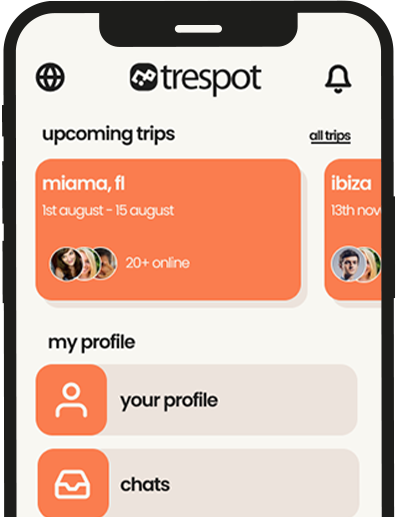
New in town? Open the local city chat on Trespot, join the recurring scenes, and meet the people who’ll turn an address into a home. Everyone’s waiting for someone to start — be that someone.
References
- Hall, J. (2019) — research on hours required to form friendships.
- Sociological literature on proximity and repeated interaction in friendship formation.
- Nomad community resources — coliving and coworking social scenes.