
A great trip companion can turn a good vacation into a life‑changing adventure. Whether you’re a backpacker splitting hostel costs, a senior seeking extra support on the road, or a digital nomad chasing sunsets, the right partner multiplies safety, savings, and stories. Yet mismatched budgets or clashing personalities can derail even the best itineraries. This comprehensive guide shows you exactly how to meet, vet, and thrive with the perfect travel buddy covering top apps, budgeting tools, conflict‑proof ground rules, and emerging AI matching tech. Read on, bookmark key tips, and level‑up your next journey.
1. Why You Need a Trip Companion
1.1 Safety & Confidence
Solo travelers regularly cite personal safety as their #1 concern, but 72 % feel more confident exploring unfamiliar streets when paired with a vetted partner. A companion doubles as an extra set of eyes on luggage, a late‑night walking buddy, and crucially a human backup if plans change.
1.2 Deeper Cultural Immersion
Pooling language skills and curiosity opens doors to authentic local interactions: shared cooking classes, backyard concerts, and impromptu village fútbol matches. Multi‑generational or small‑group trips are surging because travelers want richer storytelling and shared memories.
2. Types of Trip Companions
2.1 Peer Travel Buddies
Friends, couples, or strangers turned buddies via apps split costs, swap photography duties, and often plan itineraries democratically.
2.2 Professional & Paid Companions
From senior travel companion services to licensed adventure guides, professionals fill niches such as wheelchair assistance, medical supervision, or language support. Discussions on Reddit show travelers routinely offering flights and lodging to companions who can manage mobility needs.
2.3 AI & Virtual Companions
New platforms let you “hire” an AI guide that translates menus, suggests hidden gems, and syncs with wearables for real‑time tips. Tech journalists have completed 48‑hour Tokyo sprints with AI buddies and swear by the stress‑free navigation.
3. How to Choose the Right Trip Companion
3.1 Compatibility Criteria
- Travel style (fast‑paced vs. slow)
- Budget sweet spot (hostel vs. boutique)
- Daily rhythm (early bird or night owl?)
- Risk tolerance (street food, skydiving)
3.2 Red Flags
Watch for vague finances, reluctance to share social handles for verification, or constant boundary pushing during planning chats.
4. Where to Find Trip Companions
4.1 Apps & Platforms
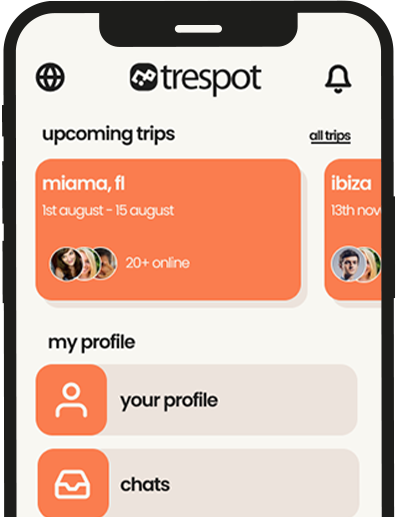
- Trespot – dedicated city rooms; meet people going to same places same time as you.
- GAFFL – multi‑step ID checks; active in 190 + countries.
- Travello – interest‑based feed, events, and rewards.
- Wanderlog – shared itineraries & expense tracking.
4.2 Community Forums & Social Media
Subreddits like r/TravelBuddies and Facebook groups let you post dates and destinations. Always
move to a video chat before buying tickets.
4.3 In‑Destination Meet‑ups
Hostel message boards, free walking tours, and language‑exchange cafés are underrated spots for a spontaneous, last‑minute trip companion.
5. Planning & Budgeting With Your Companion
5.1 Shared Itinerary Tools
Collaborate in Google Sheets or Wanderlog. Color‑code must‑see pins so both travelers feel prioritised.
5.2 Cost‑Splitting Strategies
Apps like Splitwise handle multi‑currency splits and reduce the awkward “who‑owes‑whom” chat. Reviews highlight its pro tier for large trips. Pro Tip: agree on a daily “friction budget” the max each of you is willing to lose to rounding or spontaneous splurges.
6. Trip Companion Etiquette
6.1 Clear Role Expectations
Decide up‑front who books transport, handles foreign‑language negotiations, or keeps digital copies of passports.
6.2 Privacy & Alone Time
Schedule “solo blocks” (e.g., two hours mid‑afternoon) so neither traveler feels smothered. Try a Pomodoro sightseeing rhythm 50 min exploring, 10 min regroup.
7. Future Trends in Trip Companion Travel
7.1 AI Matching & Predictive Pairing
Apps now factor Spotify tastes, wearable stats, and past itineraries to suggest ideal buddies before you even pick dates.
7.2 Metaverse “Pre‑Trips”
VR firms host 15‑minute shared tours (think: Roman Forum) where potential companions test chemistry pre‑booking.
7.3 Sustainability Pairing
Platforms display “green scores” (train vs. plane usage, refill bottle habits) and pair eco‑conscious travelers perfect for low‑carbon adventures.
Quick Takeaways
- A vetted trip companion boosts safety, slashes costs, and enriches culture swaps.
- Vet compatibility budget, pace, risk tolerance before flights are booked.
- Leverage GAFFL, Travello, and Wanderlog for safe matching and shared planning.
- Use Splitwise or Tricount to eliminate “who‑owes‑whom” friction.
- Build solo time and clear roles into the itinerary to keep harmony.
- AI matching & VR “pre‑trips” are shaping tomorrow’s travel‑buddy landscape.
Conclusion
Finding your ideal trip companion is more skill than luck. Start by clarifying your own travel DNA, then leverage today’s matching tech and budgeting apps, and treat etiquette as seriously as finances. The reward? Shared sunrises, lower costs, and stories that outlive the stamp in your passport. Ready to start? Draft a compatibility survey, post your first travel‑buddy call‑out, and see who answers you might meet your next lifelong friend.
FAQs
How do I safely meet a trip companion for the first time?
Meet in a public place, verify IDs through multi‑step platforms, and share your live location with a friend. (safe trip companion tips)
What’s the best female‑only trip companion app?
NomadHer is women-only and verifies its members. Tourlina, once women-only, is now open to all genders but lets you choose to be visible to women only. (female trip companion safety)
Can I hire a companion for mobility assistance?
Yes look into senior travel companion services that handle wheelchairs, luggage, and basic care.
How do we split costs fairly across currencies?
Use Tricount’s live‑FX mode or settle via multi‑currency wallets (e.g., Wise USD balance).
What if we argue during the trip?
Pause, revisit ground rules, take planned solo time, and if needed kindly part ways before resentment grows.
Your turn! Have you ever teamed up with a trip companion you met online or are you still searching? Share your story below and tag a friend who needs a travel buddy. Which compatibility factor matters most to you?