Modern borders feel smaller than ever, yet every journey still demands careful planning, savvy budgeting, and cultural sensitivity. In this tips for travelers guide, you’ll find the latest strategies and smart hacks backed by data from Nomadic Matt, TSA, CDC, and UN Tourism to help you travel farther, safer, and greener in 2026. Expect actionable checklists, real‑world examples, and fresh insights on everything from digital visas to destination “dupes.” Whether you’re a first‑time backpacker or a seasoned digital nomad, these tips for travelers will sharpen your instincts and smooth out the bumps so you can focus on exploration.
1 Mindset & Trip Goals
Clarify your “why.” Do you crave hidden‑gem culture, outdoor thrills, or pure downtime? Defining intent guides every following choice from location to gear weight. Seasonality matters: shoulder months often mean 30 % lower lodging rates and thinner crowds, as travel blogger Nomadic Matt notes in his 2026 update on “savviest traveler” rules.
Unique insight: Treat travel budgeting like a subscription auto‑transfer a fixed sum monthly. Automating savings removes friction and builds momentum long before your flight.
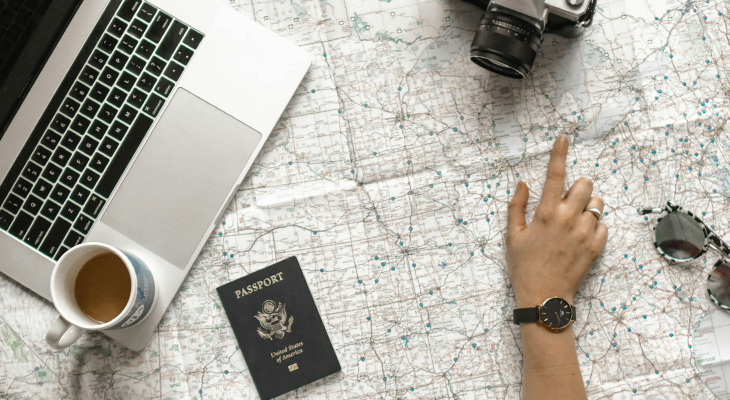
2 Documents, Visas & IDs
- Passport buffer: Maintain at least 12 months before expiry; many countries demand six after exit.
- Digital backups: Scan passports, visas, vax records; encrypt in cloud plus keep a paper copy.
- REAL ID countdown: U.S. travelers must carry a REAL ID‑compliant license by May 7 2026 for domestic flights; TSA stresses early compliance.
- E‑TAs & online visas: Over 60 nations now issue 100 % digital visas apply early to avoid spotty airport Wi‑Fi woes.
3 Money & Budget Savvy
Use fee‑free ATM cards (Wise, Revolut) to duck 3‑5 % foreign‑transaction fees. An Intrepid Travel poll reports travelers who skip airport kiosks save ~8 % on FX costs.
| Category | % of Budget | Pro Tip | Flights & Transport | 35 % | Book mid‑week, 60‑day window for int’l economy |
|---|---|---|
| Lodging | 30 % | Filter “free cancellation” to pounce on price dips |
| Food | 20 % | Two local meals : one splurge ratio |
| Experiences | 10 % | Bundle passes; leverage free walking tours |
| Buffer | 5 % | Cushion for currency swings |
4 Packing & Gear Hacks
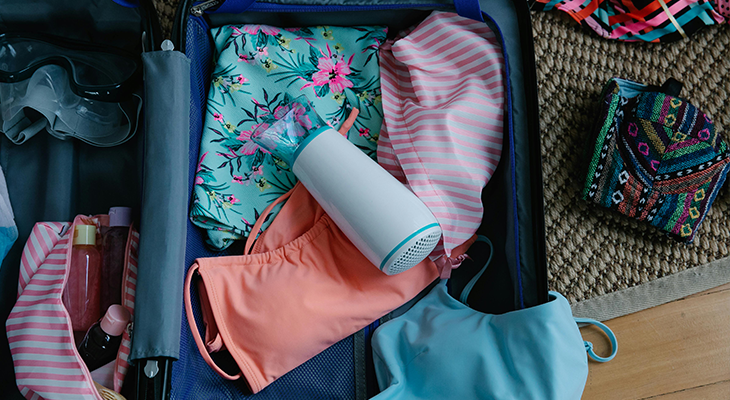
Nomadic Matt’s #1 rule “always pack a towel” still holds. Use packing cubes to compress clothes 40 % and color‑code by activity. Stick to a carry‑on under 40 L to skip baggage fees and lost‑luggage stress.
5 Health, Vaccines & Insurance
The CDC’s Yellow Book now flags measles vaccination for all travelers, regardless of destination, after 1,000 + U.S. cases this year.
Insurance must‑haves: emergency medical, evacuation, and trip‑interruption especially vital as 2026 airline strike risk rises. VisitorsCoverage pegs average medical evacuation at $50 k.
Unique insight: Check if your credit‑card policy explicitly covers pandemics fine print varies widely.
6 Flight & Airport Strategies
Arrive 3 hours early for overseas flights TSA’s baseline.
- Security hacks: Wear slip‑on shoes, stash liquids in an outer pocket, and enable Digital ID on Apple Wallet where supported to shave minutes off queues.
- Case example: Denver INTL trial reduced average ID‑check time by 38 %.
7 Ground Transport & Navigation
- eSIM first: Activate before landing; data starts instantly.
- Offline maps: Google Maps “download” + pinned hostel location on WhatsApp.
- Local transit apps: Rome2Rio, CityMapper.
- UN Tourism notes global arrivals grew 5 % Q1 2026; expect fuller buses and trains.
8 Accommodation Smart Picks
Filter for >8 / 10 safety score reviews; verify door locks and 24‑h reception. Hostels now offer female‑only pods and coworking desks ideal for solo female traveler safety.
9 Tech, Connectivity & Apps
- VPN for banking on café Wi‑Fi.
- Translation: Google Lens (menu), DeepL for nuance.
- Cloud backup: Auto‑upload photos nightly to prevent data loss.
- Tip: Set phone to “battery‑health optimized” mode on long days out.
10 Food, Water & Wellness
The CDC advises Hep A vaccination for destinations with questionable water. Stick to busy stalls, use a Lifestraw bottle, and carry oral rehydration salts for stomach upsets.
Unique insight: Add probiotic sachets during flights to combat jet‑bloat.
11 Culture, Etiquette & Sustainability
Dress codes: shoulders covered in Thai temples; shoes off in Japanese ryokan. Opt for Sustainable Aviation Fuel (SAF) add‑ons to cut carbon ~10 %.
Destination “dupe” idea: Swap overtouristed Prague for Tbilisi fewer crowds, lower emissions.
12 Solo & Female Travel Safety
Share real‑time location with a trusted buddy, book central lodgings, and attend daylight walking tours first to build neighborhood intuition.
13 Digital Nomad & Remote Work
Over 40 nations now offer digital‑nomad visas (Estonia just capped processing at 15 days). Day‑pass coworking averages US $15 in Lisbon & Seoul. Bundle a VPN + cloud storage plan for under $10 monthly to protect client data abroad.
14 Photography & Data Backup
Dual‑slot memory cards mirror photos instantly; cloud‑sync at night. Add lens wipes and a zip bag to your EDC pouch.
15 Emergency Plans & Contingencies
Enroll in STEP (U.S.) or your own nation’s equivalent; save embassy contacts offline. Stash a $100 emergency bill in a hidden pouch.
Conclusion
Travel in 2026 rewards curiosity, preparation, and responsible choices. These tips for travelers from health safeguards to digital hacks equip you to navigate airports, cultures, and currencies with confidence. As international arrivals climb, mindful travelers can set the tone: respect local customs, lighten environmental footprints, and share knowledge generously. Pack smart, stay curious, and let every journey expand both your world and the communities you visit. Ready to apply these tips for travelers on your next adventure? Safe travels and see you on the road!
Frequently Asked Questions
What’s the most important document tip for first‑time travelers?
Keep digital and paper copies of your passport, visas, and insurance in separate locations crucial travel document safety.
How can I avoid foreign‑transaction fees while traveling?
Use fee‑free fintech cards and withdraw cash from local ATMs (exchange currency abroad).
Do I really need travel insurance for a one‑week trip?
Yes medical evacuation can top $50 k; short‑term policies cost under US $5/day.
Best tech tip to stay connected overseas?
Activate a global eSIM for travelers pre‑departure; combine with offline maps and a VPN.
How do I stay healthy eating street food?
Choose crowded stalls, carry hand sanitizer, and follow CDC food‑safety guidance (food safety tips for travelers).