The short answer
For a first solo trip in the US, pick a city with good public transport and do it without a car. New York's subway runs around the clock, Chicago's Blue Line runs 24 hours a day from O'Hare, and Washington's Smithsonian museums are free. Boston, San Francisco and Seattle are also easy on foot and by transit, and Seattle and San Francisco both have trains from the airport.
For nature, you don't have to drive either. Zion runs a free shuttle through its main canyon for most of the year. Yosemite Valley is reachable by Amtrak and bus, the Grand Canyon's South Rim by train from Williams, Glacier by Amtrak's Empire Builder, and Acadia has free Island Explorer buses in summer and early fall. If you'd rather road-trip alone, plan for long gaps without phone signal and tell someone your route.
The biggest solo cost is the room, because US hotels charge by the room, not by the person. Hostels, trains with meals included, free museums and weekly transit fare caps all help bring it down.
Best US cities for solo travel without a car
These cities have transit good enough that a car would get in the way, plenty to do alone, and places where eating by yourself is completely normal, usually at the bar or a counter.
| City | Best for | From the airport | Getting around |
|---|---|---|---|
| New York | First trip, museums, food | AirTrain and subway, or train | Subway around the clock |
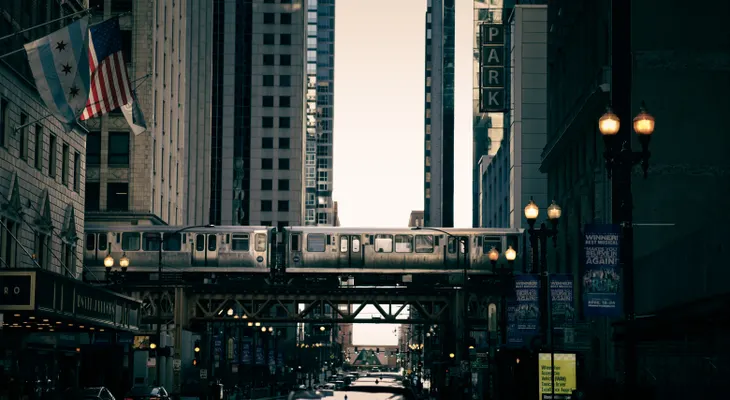
| Chicago | Architecture, museums, the lakefront | Blue Line from O'Hare, 40–45 minutes | 'L' trains; Blue and Red lines 24 hours |
| Washington, DC | Free museums, history | Metro from Reagan National | Metro and walking |
| Boston | History on foot, a short break | Subway or bus | The T and walking |
| San Francisco | Neighborhoods, food, day trips | BART | Muni, cable cars, walking (hills) |
| Seattle | Food, ferries, a base for the Northwest | Link light rail, about 40 minutes | Light rail, buses, ferries |
| Honolulu | Beach time without driving | TheBus | TheBus and Skyline |
New York. The easiest big US city to do alone. The subway runs around the clock, and since January 2026 a ride costs $3. Pay by tapping a card or phone (OMNY), and after 12 paid rides in any seven days the rest of the week is free, which caps your fares at $35. The catch is the price of a room for one, so book early or look at hostels.
Chicago. Big-city museums, architecture and the lakefront at lower prices than New York. The CTA's Blue Line runs 24 hours a day between O'Hare and downtown, taking 40 to 45 minutes, and the Red Line also runs all night. Winters are long and cold, so spring to early fall is the easier time to walk the city.
Washington, DC. The Smithsonian's museums and the National Zoo are free, so a few days in DC cost far less to fill than in most big cities. A couple of the busiest museums ask for free timed-entry passes, so check before you go. The Metro connects Reagan National Airport to the center.
Boston. Compact and walkable, with much of its colonial history within a few miles of the center. It works well for a long weekend, and it's on the train line to New York.
"I did New York and Boston without a car. NYC was basically subway and walking everywhere, then I took the train up to Boston and used the T or walked there. I definitely wouldn't bother hiring a car for either."
Ashley Rourke, solo traveler, 15 countries in 4 years
San Francisco. BART runs from SFO into the city, and Muni buses, streetcars and cable cars cover most of what you'll want to see. It's hilly, and rooms are expensive, so a hostel or a short stay makes sense.
Seattle. The Link light rail 1 Line runs from the airport to downtown in about 40 minutes. From there you can walk to the waterfront and take ferries across Puget Sound without needing a car.
Honolulu. Probably the easiest way to do Hawaii without renting a car. TheBus runs from the airport and around much of Oʻahu.
Smaller places that work alone
Some smaller US destinations are easy on foot once you arrive, even though getting there usually means flying in or driving.
- New Orleans, for music and food, with streetcars and a walkable historic core.
- Charleston, South Carolina, and Savannah, Georgia, both with compact historic districts you can walk end to end.
- Portland, Maine, with a working waterfront and an Old Port district made for wandering.
For more places, see our guide to the best places to visit in the USA.
National parks you can visit without a car
Most US national parks assume you'll drive. These five have a way in, or a way around, that doesn't need a car, which also saves a solo traveler the cost of renting one.
| Park | Getting there without a car | Getting around inside | Good to know |
|---|---|---|---|
| Zion, Utah | Commercial shuttle or car to Springdale | Free park shuttle, daily March to November. Private cars aren't allowed on the Zion Canyon Scenic Drive while it runs | From Springdale's shuttle, walk across the footbridge to the visitor center |
| Yosemite, California | Amtrak train and bus to Yosemite Valley, or YARTS buses, including from Merced | Free Yosemite Valley shuttle, 7am to 10pm | Some YARTS routes run in summer only |
| Grand Canyon South Rim, Arizona | Grand Canyon Railway from Williams; Amtrak to Flagstaff | Free shuttle buses around the South Rim | Routes and hours change by season |
| Glacier, Montana | Amtrak's Empire Builder stops year-round at West Glacier and Essex, and in season at East Glacier Park | Summer shuttle from the West Glacier depot to Apgar and Lake McDonald Lodge (reservation needed) | A long train ride from Chicago or Seattle |
| Acadia, Maine | Reach Bar Harbor first | Fare-free Island Explorer buses, 23 June to 12 October in 2026, with three routes from 20 May | Buses link hotels and campgrounds with the park |
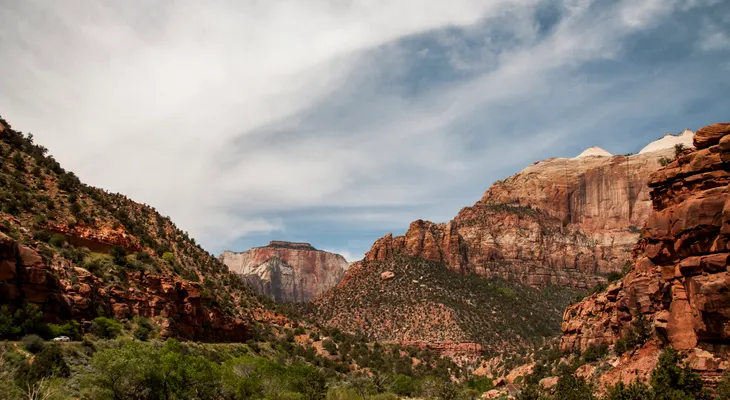
Two things to plan for. Shuttle seasons and train timetables change every year, so check the park's own page for your dates. And if you're not a US resident, all five of these parks are among the 11 that charge non-residents aged 16 and over an extra $100 per person on top of the entrance fee, unless you buy the $250 non-resident annual pass. More on that in visiting from abroad.
Road-tripping alone
For most of the country, including the Southwest, the Pacific Coast Highway and the smaller parks, a car is still the practical way to go. Driving alone is freeing, but there's nobody to share the driving, the navigation or the fuel bill, so plan shorter days than you would with company.
- Don't count on your phone. The National Park Service warns there may be no coverage in parks, and suggests a personal locator beacon for remote hikes. Download offline maps before you set off.
- Leave your plan with someone. The NPS recommends giving your route and expected return time to an emergency contact who isn't on the trip, with instructions to alert the authorities if you're not back.
- Fill up early on long stretches between towns, and don't push on tired after dark.
Our guides to the best road trips in the USA, a national parks road trip, the Pacific Coast Highway and Route 66 cover routes, and solo road trip covers doing it alone.
Getting between cities: trains, buses and flights
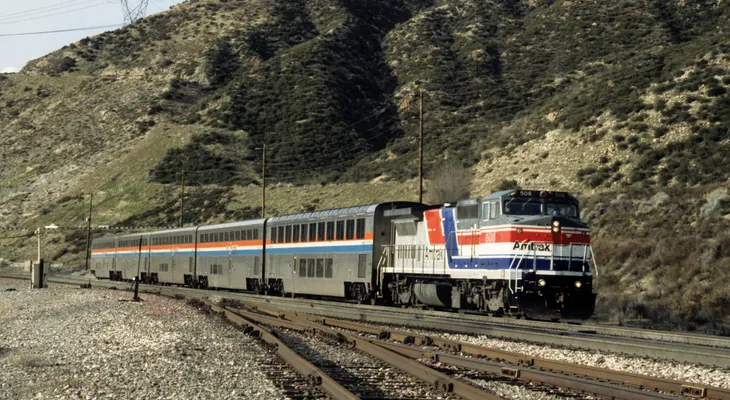
- Trains. Amtrak's Northeast Corridor trains are the easy way between Boston, New York and Washington, DC. Its long-distance trains are slower but make the journey part of the trip: the California Zephyr runs from Chicago to California through Denver, the Coast Starlight between Los Angeles and Seattle, and the Empire Builder from Chicago to the Pacific Northwest past Glacier. A roomette has space for two adults, so on your own you pay for the whole room, but private-room tickets include meals on board.
- Buses. Intercity buses such as Greyhound and FlixBus are the cheapest way between many cities. Check where the stop is, especially if you'll arrive late at night.
- Flights. For coast to coast, or anywhere more than a day's travel apart, flying is usually the only practical option.
What a solo trip in the US costs
The room is the big one. US hotels price by the room, so one person pays what two would split, and big-city rooms are expensive. A few things help:
- Hostels. Hostelling International USA has hostels in New York, Boston, Chicago and San Francisco, among others. Many hostels also have private rooms if you don't want a dorm.
- Prices shown up front. Since 12 May 2025, the FTC's rule on unfair or deceptive fees has required hotels and short-term rentals to include mandatory fees, such as resort fees, in the price they advertise. Government taxes can still be shown separately, and they have to be disclosed before you pay.
- Tipping. It's expected at sit-down restaurants and bars, and it isn't included in menu prices, so budget for it on top.
- Free and capped. Smithsonian museums in DC are free. New York's OMNY cap means you won't pay more than $35 a week on the subway and local buses.
- National parks. The America the Beautiful annual pass costs $80 for US residents and covers entrance fees across the parks.
For cheaper US destinations overall, see cheap places to visit in America.
Meeting people while traveling solo in the US
- Walking and food tours. Most big US cities have tip-based walking tours, which are an easy first-day way to meet people.
- Hostels, especially ones that run group events.
- Meetup, for events around a shared interest, from hiking to board games.
- Group tours. If you'd like company for a whole trip, several of the companies in our guide to travel groups for solo travelers run US itineraries.
- City group chats. Trespot's homepage lists live city groups for New York City, Los Angeles, Chicago, San Francisco, Las Vegas, Washington, DC, Miami, Orlando, Boston, Houston and Honolulu. Each is a group chat for people heading to that city. On a free account, a ticket or booking check gives you full access. You can also post your route and dates on Trespot's Find Travel Partner board and see who else is going. Our guide to searching for a travel buddy explains how it works and what's free.
Staying safe on a solo trip in the US
The UK Foreign Office's advice for visitors to the US sums it up: "Violent crime and gun crime rarely affect tourists, but take care in unfamiliar areas." It also advises: "Try not to walk through quieter areas alone, especially at night." In practice:
- Ask about neighborhoods, not just cities. Safety can change from one block to the next, so ask your hotel or hostel which streets to avoid after dark.
- Plan the late trip home. Late at night, a ride-hailing app or taxi is often a better choice than a long walk or an empty train platform.
- Outdoors, take more care alone. The FCDO notes that outdoor "risks are greater if you undertake any activity alone", and the NPS says it's safer to hike with a companion. If you go solo, file a hiking plan and carry what you'd need if you had to wait for help.
- Watch the season. The FCDO says the Atlantic hurricane season normally runs from June to November, and the Pacific season from May to November.
- Emergency number: 911, everywhere in the country.
For women traveling alone, our guide to solo travel for women covers more, and solo travel safety goes into habits that work anywhere.
Visiting the US from abroad
- Entry. Travelers from Visa Waiver Program countries need an approved ESTA, which now costs about $40. Most other visitors need a visa, so apply well ahead.
- Health insurance. The FCDO is blunt: "Medical treatment is expensive and there are no special arrangements for British visitors." The same goes for most visitors, so get travel insurance that covers medical treatment and repatriation.
- National park fees. Since 2026, non-residents aged 16 and over pay a $100 surcharge per person at 11 parks: Acadia, Bryce Canyon, Everglades, Glacier, Grand Canyon, Grand Teton, Rocky Mountain, Sequoia and Kings Canyon, Yellowstone, Yosemite and Zion. The non-resident annual pass costs $250 and covers the surcharge. Free-entrance days are now for US citizens and residents only.
FAQs
Where is the best place to travel alone in the US?
For a first solo trip, a city you can do without a car: New York, Chicago, Washington, DC, Boston, San Francisco or Seattle. For nature, Zion, Yosemite and the Grand Canyon's South Rim all have free shuttles, so you don't need to drive once you're there.
Can you travel around the US without a car?
Between the big Northeast cities, yes, by Amtrak. Within those cities, and in a handful of national parks, yes too. For most rural areas and many smaller parks, you'll need a car, a tour or a shuttle service.
Is it safe to travel alone in the US?
For most visitors, yes. The UK Foreign Office says violent crime and gun crime rarely affect tourists, but advises care in unfamiliar areas and not walking through quiet areas alone at night. Outdoors, the bigger risks are weather, heat and being out of phone signal, so leave your plans with someone.
How can I keep a solo US trip affordable?
Spend less on the room: stay in hostels or their private rooms, travel in the off-season, or pick a city like Chicago or Washington, DC, where many of the big sights are cheap or free. Use transit fare caps, and remember to budget for tips and taxes.
What's a good first solo trip in the US?
Four or five days in Chicago or Washington, DC, both easy by transit, or the train between New York and Washington with a few days in each. If you want nature, a few nights near Yosemite Valley or Zion using the park shuttles.
Sources
- National Park Service: Zion Canyon shuttle, Yosemite public transportation, Grand Canyon by train, South Rim shuttle buses, Glacier directions and transportation, Acadia's Island Explorer, Hike Smart and entrance passes (all accessed 30 September 2026)
- Island Explorer 2026 schedule
- OMNY, Fare cap; MTA, fare increases from January 2026
- Chicago Transit Authority, Blue Line
- Smithsonian, museums and zoo
- Sound Transit, Sea-Tac Airport; Hawaii Department of Transportation, TheBus and Skyline
- Amtrak, Roomettes
- Hostelling International USA, Find a hostel
- Federal Trade Commission, Rule on Unfair or Deceptive Fees: FAQs and effective date
- UK Foreign, Commonwealth & Development Office, USA safety and security and health
- US Customs and Border Protection, ESTA
- Trespot's live city list: trespot.com homepage, checked 30 September 2026